**Exploring Urban Redevelopment: Transforming Abandoned Places in Brussels, Belgium**
Category : |
Sub Category : Posted on 2024-10-05 22:25:23
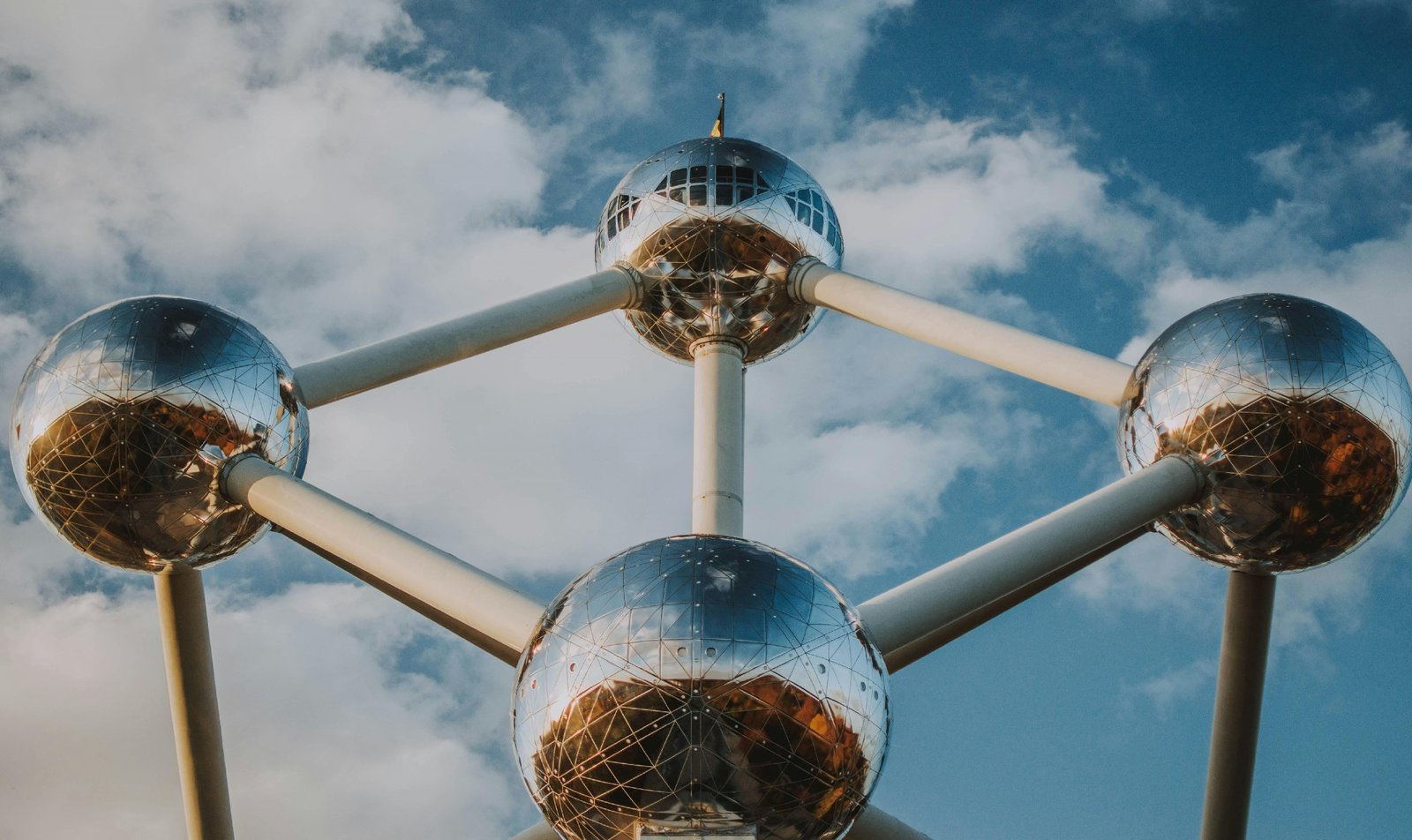
Urban redevelopment is a fundamental concept in city planning that aims to revitalize neglected or abandoned areas, breathing new life into once-forgotten spaces. Brussels, the vibrant capital city of Belgium, is no stranger to this phenomenon. With a rich historical past and a diverse architectural landscape, Brussels is continually evolving, with abandoned places being reimagined and repurposed for modern uses. Throughout Brussels, there are numerous abandoned buildings, industrial sites, and urban areas that have fallen into disrepair over the years. These neglected spaces present both a challenge and an opportunity for urban redevelopment initiatives. By creatively transforming these abandoned places, Brussels is able to preserve its heritage while embracing innovation and progress. One notable example of urban redevelopment in Brussels is the transformation of the Tour & Taxis site. Once a sprawling complex of abandoned industrial buildings, the Tour & Taxis site has been revitalized into a dynamic mixed-use development that includes offices, retail spaces, residential units, and cultural amenities. This project not only preserves the historical character of the site but also enhances the surrounding neighborhood with new opportunities for work, living, and recreation. Another impressive urban redevelopment project in Brussels is the transformation of the former industrial site known as Brussels-Capital Region-West. This ambitious project aims to convert the vast urban wasteland into a sustainable, mixed-use neighborhood that prioritizes green spaces, energy efficiency, and community engagement. By redeveloping the site in a thoughtful and inclusive manner, Brussels is creating a model for future urban development projects that prioritize environmental sustainability and quality of life. In addition to large-scale redevelopment projects, Brussels is also seeing a trend of adaptive reuse, where abandoned buildings are repurposed for new functions. For instance, former warehouses and factories are being converted into creative co-working spaces, art galleries, and cultural hubs. By preserving the architectural heritage of these buildings while accommodating modern needs, Brussels is able to celebrate its past while embracing its future. Overall, urban redevelopment in Brussels is a multifaceted process that requires collaboration between public and private stakeholders, urban planners, architects, and the local community. By leveraging the unique character of abandoned places and implementing creative solutions, Brussels is transforming neglected spaces into vibrant hubs of activity, innovation, and culture. As the city continues to evolve and grow, urban redevelopment will play a crucial role in shaping the future of Brussels and preserving its rich heritage for generations to come.
https://desencadenar.org
https://constructional.org


