Exploring Children's Games in Algeria and Brussels, Belgium
Category : |
Sub Category : Posted on 2024-10-05 22:25:23
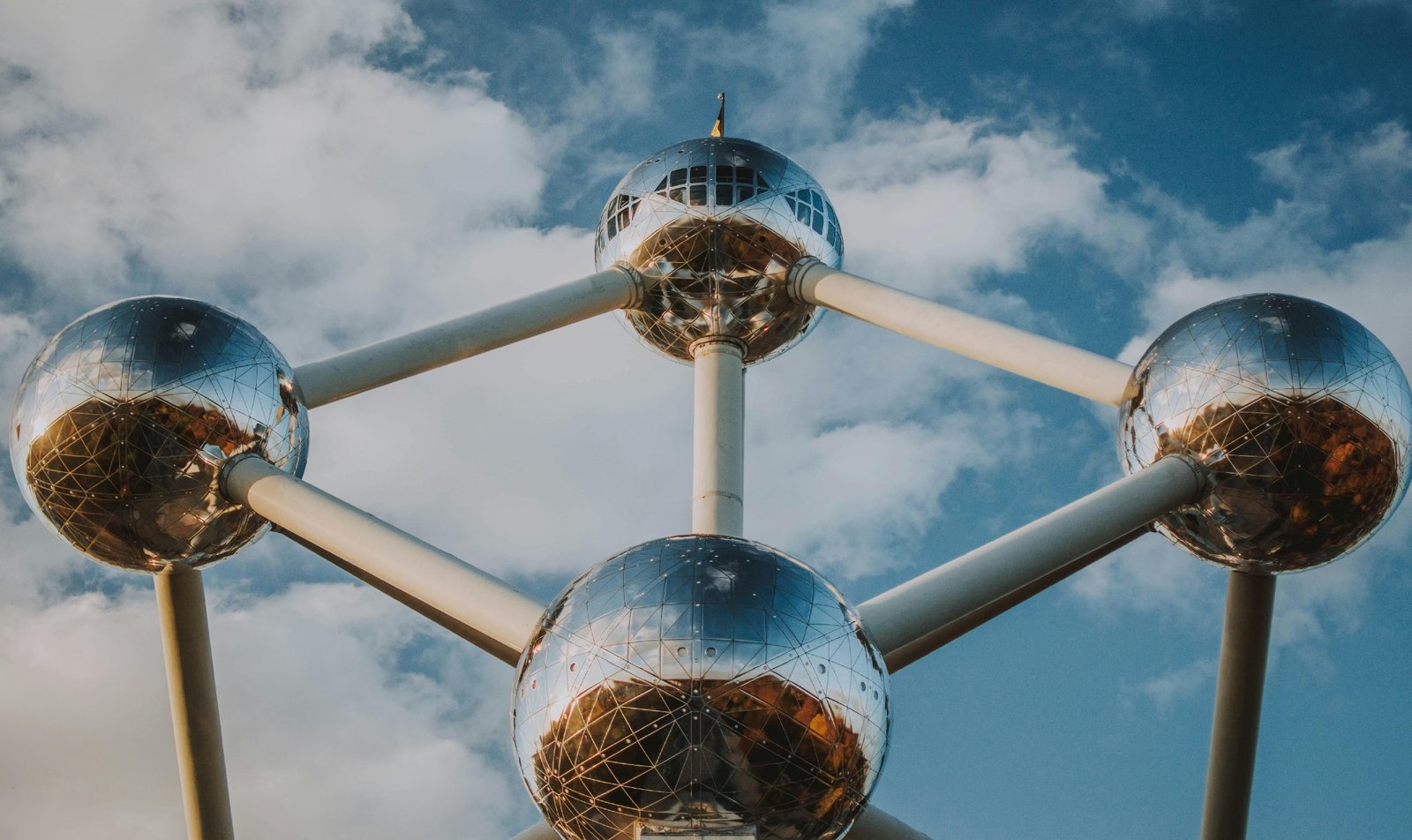
In every corner of the world, children engage in play to not only have fun but also to learn, socialize, and develop essential skills. Algeria and Brussels, Belgium, are two diverse locations that have their own unique traditions and games that children enjoy. Let's take a closer look at the children's games in these two regions. **Algeria:** In Algeria, children's games are often influenced by the country's rich cultural heritage and vibrant community life. One popular game among Algerian children is "El Khattaba," a game that involves drawing patterns in the dirt or sand and then erasing them before anyone else can memorize the design. This game not only showcases children's creativity but also sharpens their memory skills. Another traditional Algerian game is "El Maklouba," which involves stacking stones or small objects in a strategic way, challenging children to build a stable structure without it collapsing. This game helps children develop their fine motor skills, patience, and problem-solving abilities. Moreover, Algerian children often enjoy playing "El Kems," a game similar to hopscotch but with more intricate patterns and rules. This game promotes physical activity, coordination, and teamwork among players. **Brussels, Belgium:** On the other hand, children in Brussels, Belgium, have their own set of games that reflect the city's multiculturalism and modern influences. One popular game among Belgian children is "Voetjebal," a variation of traditional football played with a small ball that can only be touched with the feet. This game not only promotes physical activity but also teamwork and coordination skills. In Brussels, children also enjoy playing "Stoelendans," a Belgian version of musical chairs where children dance around a circle of chairs and quickly find a seat when the music stops. This game teaches children the importance of quick decision-making and adaptability. Furthermore, "Zakdoekje Leggen," a Belgian game similar to tag, where one player tries to catch others before they can claim a handkerchief placed on the ground, is a favorite among children in Brussels. This game enhances agility, speed, and strategic thinking. **Conclusion:** In conclusion, children's games in Algeria and Brussels, Belgium, reflect the unique cultural, social, and environmental aspects of these regions. Whether it's traditional games deeply rooted in Algerian heritage or modern games influenced by the multiculturalism of Brussels, children across the world continue to play, learn, and grow through the power of play. Let's continue to celebrate the diversity of children's games and the joy they bring to young hearts everywhere.


