Arab Influence in Brussels, Belgium and Lisbon, Portugal
Category : |
Sub Category : Posted on 2024-10-05 22:25:23
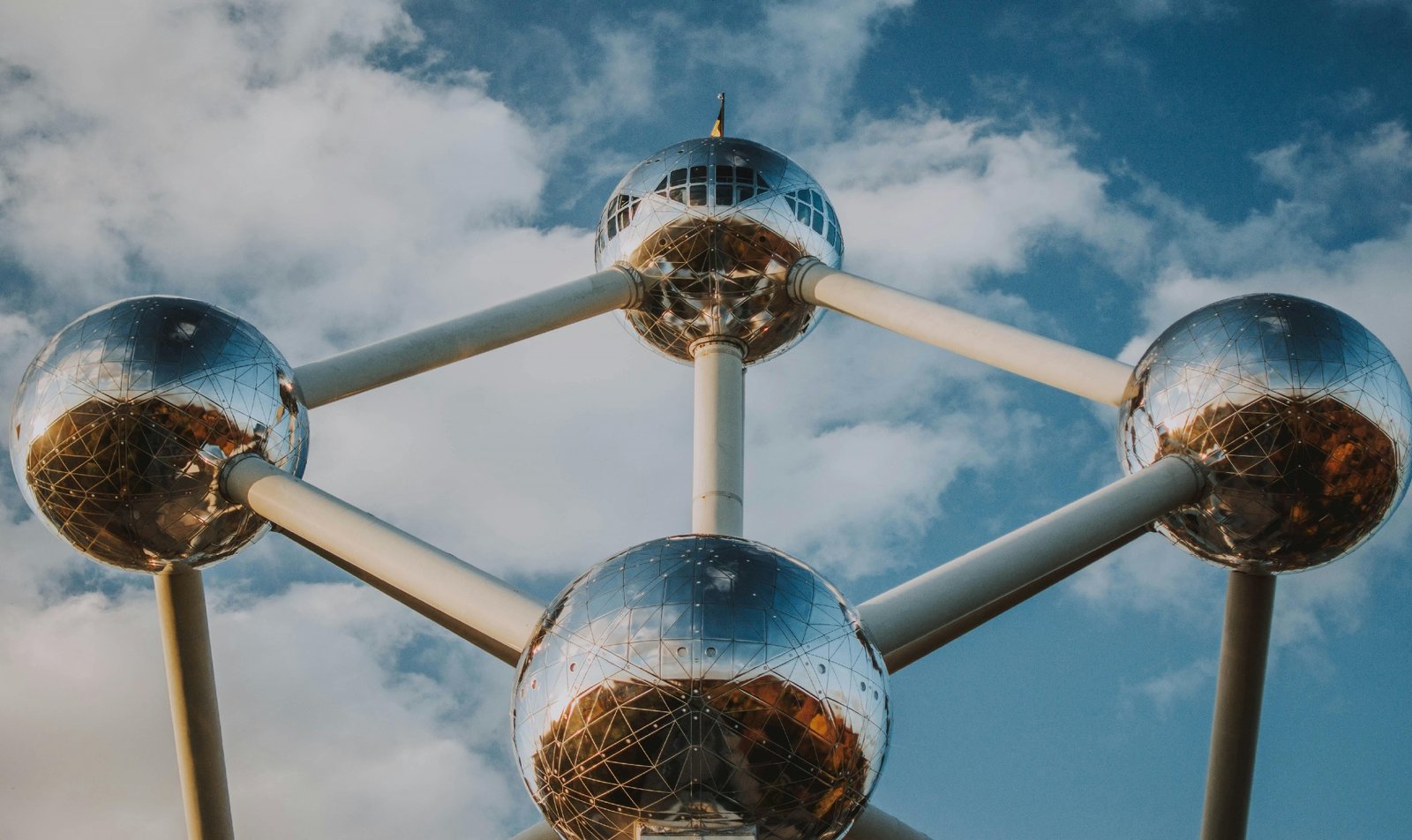
Brussels, Belgium and Lisbon, Portugal are two European cities known for their rich history, diverse cultures, and vibrant Arab communities. The Arab presence in both cities dates back centuries and has influenced various aspects of their culture, architecture, and cuisine. Let's dive deeper into the Arab influence in Brussels and Lisbon. Brussels, the capital of Belgium and the de facto capital of the European Union, has a significant Arab population that has contributed to the city's cultural landscape. The Arab community in Brussels is diverse, with roots in countries such as Morocco, Algeria, Tunisia, and Lebanon. The city's Arab quarter, centered around neighborhoods like Molenbeek and Schaerbeek, is known for its bustling markets, Arabic signage, and traditional eateries serving up delicious Middle Eastern cuisine. One of the most prominent symbols of Arab influence in Brussels is the Grand Mosque of Brussels, the largest mosque in Belgium. Built in the 1960s, the mosque's stunning architecture fuses traditional Islamic design elements with modern European influences. It serves as a hub for the local Muslim community and a place of worship for thousands of believers. In addition to its cultural impact, the Arab community in Brussels has also left its mark on the city's culinary scene. Visitors can indulge in mouthwatering dishes like falafel, shawarma, and baklava at Arab-owned restaurants and street food stalls scattered throughout the city. These flavors reflect the diverse culinary traditions of the Arab world and have become an integral part of Brussels' gastronomic identity. Moving on to Lisbon, the capital city of Portugal, Arab influence can be traced back to the Moorish rule of the Iberian Peninsula in the Middle Ages. The Moors, who were Muslim inhabitants of North Africa and the Middle East, left a lasting impact on Portuguese culture, architecture, and language. One of the most iconic landmarks showcasing this influence is the Lisbon Cathedral, with its mix of Romanesque, Gothic, and Moorish architectural styles. The Alfama neighborhood in Lisbon is another area where the Moorish legacy is palpable. Narrow alleys, whitewashed houses, and intricate tile work evoke a sense of the city's Arab past. Visitors can wander through the vibrant streets, visit historic sites like the Castle of São Jorge, and soak in the blend of Moorish and Portuguese aesthetics. Lisbon's culinary scene also bears the imprint of Arab influence, with dishes like pastéis de nata (custard tarts) and arroz doce (rice pudding) showcasing Moorish culinary techniques and ingredients. The use of spices like cinnamon, saffron, and almonds in Portuguese cuisine can be traced back to the Arabs, who introduced these flavors to the Iberian Peninsula centuries ago. In conclusion, Brussels, Belgium, and Lisbon, Portugal, both exhibit a rich tapestry of Arab influence that has shaped their cultures in profound ways. From architecture to cuisine, the Arab presence in these cities adds depth and diversity to their identities, highlighting the enduring legacy of cross-cultural exchange and heritage. Whether wandering through the streets of Molenbeek or exploring the historic Alfama district, visitors can immerse themselves in the vibrant world of Arab Brussels and Lisbon, where East meets West in a harmonious blend of traditions and innovation.
https://egyptwn.com


