Arab Influence in Uzbekistan and Brussels, Belgium
Category : |
Sub Category : Posted on 2024-10-05 22:25:23
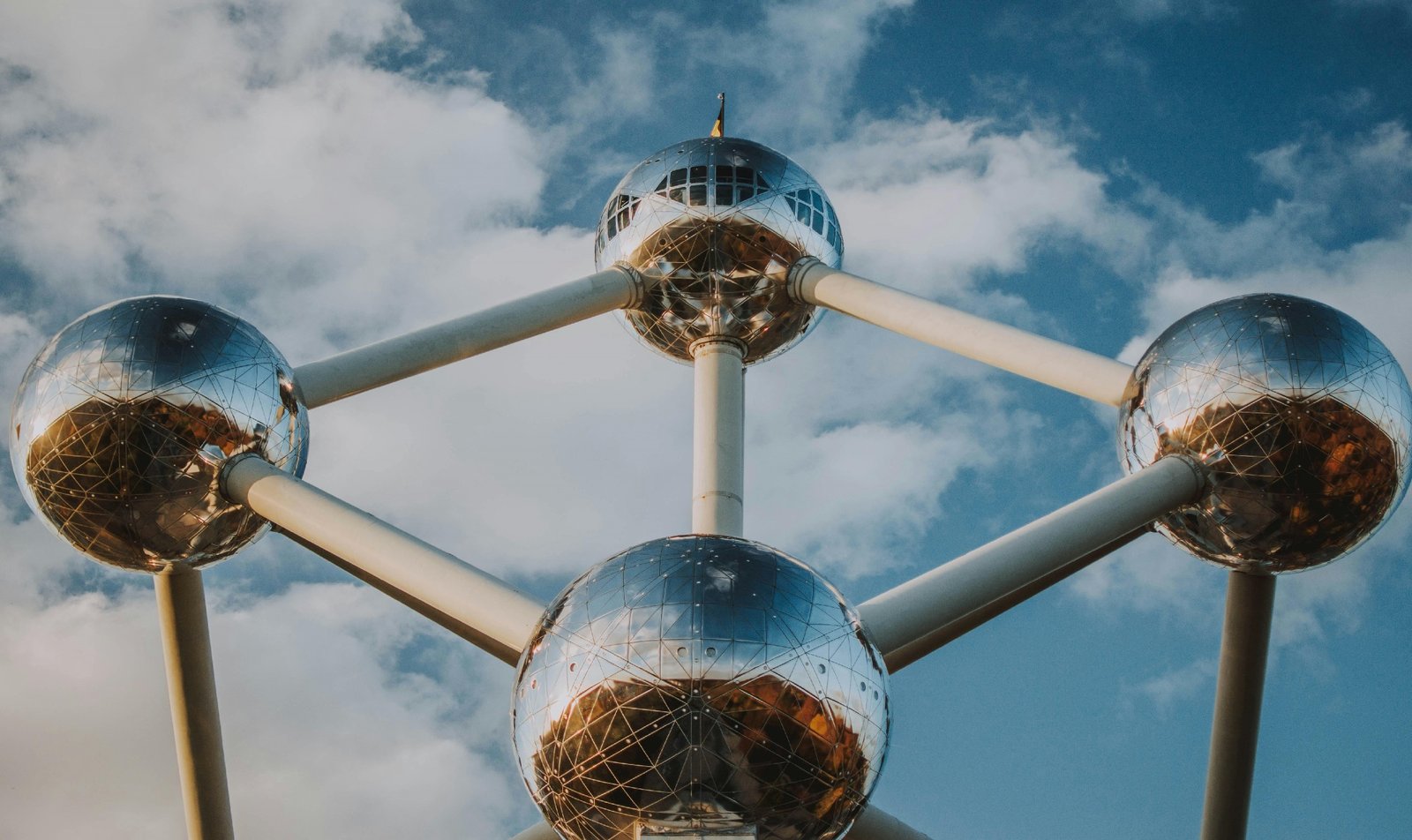
Uzbekistan, located in Central Asia, has a rich history of cultural exchange with various civilizations due to its strategic location along the ancient Silk Road. One of the significant influences on Uzbek culture comes from the Arab world. The Arab influence in Uzbekistan can be seen in various aspects of life, including architecture, cuisine, language, and religion. Architecture in Uzbekistan bears the imprint of Arab influence through the intricate designs of mosques, madrasas, and mausoleums. The use of geometric patterns, intricate tile work, and domed structures reflects the architectural styles prevalent in Arab countries. One of the most famous examples of Arab-influenced architecture in Uzbekistan is the Registan in Samarkand, a stunning ensemble of majestic buildings adorned with intricate arabesque patterns. Cuisine in Uzbekistan also features elements of Arab influence, particularly in the use of spices, nuts, and dried fruits in dishes such as pilaf, kebabs, and baklava. The flavors and cooking techniques in Uzbek cuisine exhibit a blend of Central Asian and Middle Eastern culinary traditions, creating a unique gastronomic experience for locals and visitors alike. The Arabic language has left its mark on Uzbekistan through the adoption of Arabic script for writing the Uzbek language. Although the country later switched to the Latin alphabet and then to the Cyrillic script during the Soviet era, the Arabic script continues to be used in certain contexts, such as religious texts and traditional calligraphy. Religion is another area where Arab influence is prominent in Uzbekistan, with Islam being the predominant faith in the country. The spread of Islam in Central Asia was facilitated by Arab traders, scholars, and missionaries who brought the religion to the region. Today, Uzbekistan is home to numerous mosques, mausoleums, and Islamic schools that reflect the Arab heritage of the faith. Moving on to Brussels, Belgium, the Arab influence in the city can be observed in its diverse population and cultural offerings. Brussels is a melting pot of different cultures and ethnicities, including a sizable Arab community. This multicultural environment has led to the proliferation of Arab restaurants, shops, and cultural events throughout the city. The Arab presence in Brussels has also enriched the city's cultural landscape, with Arab art, music, and literature finding a platform for expression. From exhibitions showcasing contemporary Arab artists to concerts featuring traditional Arabic music, Brussels provides a space for the Arab community to share its heritage with a wider audience. Additionally, the Arab diplomatic presence in Brussels, as the headquarters of the European Union and NATO, has further strengthened ties between the Arab world and Belgium. Diplomatic missions, cultural exchanges, and business partnerships between Arab countries and Belgium contribute to the mutual understanding and cooperation between these regions. In conclusion, the Arab influence in both Uzbekistan and Brussels, Belgium, has left a lasting impact on the cultural, architectural, culinary, linguistic, and religious aspects of these regions. The interplay between Arab traditions and local customs has created a tapestry of diversity and richness that continues to shape the identities of Uzbekistan and Brussels in the present day. For a closer look, don't forget to read https://www.chatarabonline.com
https://egyptwn.com


